Hüsnükabul’de Waseem Ahmad Siddiqui, İranlı araştırmacı ve yazar Behrooz Ghamari-Tabrizi ile İran Devrimi’nin tarihsel arka planından günümüz İran’ındaki toplumsal ve siyasal dinamiklere, dış müdahale tartışmalarından sivil toplumun rolüne uzanan kapsamlı bir söyleşi gerçekleştiriyor.
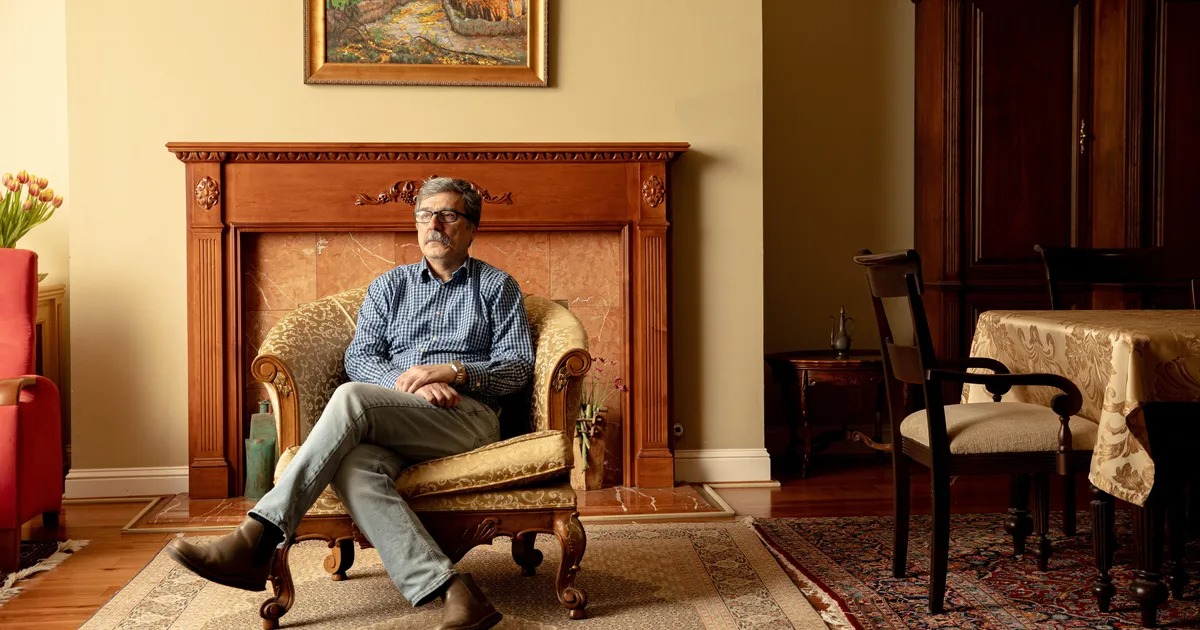
Waseem Ahmad Siddiqui: Merhaba herkes. Bugün New York'tan, CUNY Graduate Center'ın Yer, Kültür ve Politika Merkezi'nde araştırmacı olan Behrooz Ghamari-Tabrizi ile birlikteyim. Kendisi daha önce Princeton Üniversitesi Yakın Doğu Çalışmaları Bölümü'nde bölüm başkanı olarak görev yapmış, Devrim Sonrası İran'da İslam ve Muhalefet gibi birçok kitabın yazarıdır. Evin Hapishanesi'nde ölüm hücresinde geçirdiği yılları anlatan Remembering Akbar: Inside the Iranian Revolution adlı anı kitabı ve bu yıl yayınlanan son kitabı The Long War on Iran: New Events, Old Questions da bulunmakta.
Apaçık Radyo'ya hoşgeldiniz Prof. Behrooz. Bizimle olduğunuz için teşekkür ederiz.
Behrooz Ghamari-Tabrizi: Davetin için çok teşekkür ederim, Waseem.
W.A.S.: Şu soruyla başlayalım; İran'daki Evin Hapishanesi'nde üç yıldan fazla bir süre ölüm hücresinde kaldınız, değil mi?
B.G.T.: Evet.
W.A.S.: Ve şimdi son iki haftada olanları izliyorsunuz. O zamanlar, hapsedildiğiniz dönemde yaşananlara, o dönemin ruhuna ve şu anda İran'da olanlara ilişkin durumu ilk önce nasıl değerlendiriyorsunuz? Ve daha geniş anlamda Orta Doğu'ya ve Lübnan'a yeniden saldırmanın, Lübnan'da kara birliklerinin yoğunlaşmasının önemi nedir?
B.G.T.: Evet, önemli bir soru. Bu, bir sömestr boyunca öğretilmesi gereken çok geniş bir soru da olabilir ancak İran devrimi ve İslam Cumhuriyeti hakkında bilgi sahibi olmayan dinleyicileriniz için şunu söyleyeyim: Devrim, Şubat 1979'da gerçekleşti ve İran'da ABD'nin bölgedeki önemli müttefiki olan Pehlevi hanedanının monarşisini devirdi. Pehlevi hanedanı, 50 yıl boyunca iktidarda kaldı ve son 25 yılı, 1953'te İran Şahı'nı yeniden iktidara getiren CIA darbesiyle geçti. Birçok kişi, 1975 İran devriminin, İran Şahı'nı yeniden iktidara getiren 1953 darbesine karşı gizli bir tepki olduğunu söylüyor ve bence bunda bir parça doğruluk payı var. Bunu, İran devriminin bir monarşi karşıtı devrim olduğu kadar, aynı zamanda anti-emperyalist ve anti-sömürgeci bir devrim olduğunu vurgulamak için söylüyorum çünkü Şah'ın İran'daki iktidarını, Şah ile ABD arasında var olan destek ve yakın ittifak olmadan ayırmak mümkün değildi.
Devrimden önce İran, dünyanın en büyük beşinci ordusuna sahipti ve İran, Amerikan silahlarının en önde olan tüketicisiydi. Jimmy Carter'ın 1978'de İran'ı ziyaretinde söylediği gibi, İran, bölgedeki istikrar adasıydı çünkü bu ada Orta Doğu'daki Amerikan çıkarlarını savunabilirdi. Orta Doğu'daki İsrail çıkarlarının büyük bir destekçisiydi. Dolayısıyla, İran'da İslam Cumhuriyeti'nin kurulduğu ilk günden itibaren, yeni devrimci rejim ile bölgedeki Amerikan ve İsrail çıkarları arasında belirli bir düşmanlık ve çatışma olduğunu tahmin edebilirsiniz.
Yeni rejim kurulduğunda, devrim elbette tek tip bir devrimci hareket değildi. Devrime birçok ses katılmıştı ancak sonunda, kanlı bir iktidar mücadelesinin ardından, üstünlük dini kurumlar ve Ayetullah Humeyni'nin destekçileri tarafından ele geçirildi. Onlar temelde devrimin ana gücüydü ve İslam Cumhuriyeti'nin kurulmasıyla, muhalif sesleri, muhalefeti ortadan kaldırarak güçlerini pekiştirdiler. Bunu yapmak için iki yıldan fazla zaman harcadılar ve bu iki yıl boyunca Irak ile savaş vardı. Irak, İran'a saldırdı ve bu savaş, bence şu anda olanlarla ilgili, yeni rejimin gücünü pekiştirmesine olanak sağladı ve ardından, o dönemde yeni bir dizi iktidar mücadelesi yaşandı. Bir yandan, bir muhalefet grubu olan Mücahitler-i Halk, suikast kampanyası başlattı. Cumhurbaşkanına, başbakana ve yargı başkanına suikast düzenlediler. Toplamda, yaklaşık üç bin kişi Mücahitler tarafından suikaste kurban gitti. Öte yandan rejim, bu kampanyaya çok acımasız bir tepki gösterdi ve binlerce kişiyi hapse attı, binlerce kişiyi idam etti. 1980'lerin ilk yarısında 10 ila 15 bin kişinin idam edildiği tahmin ediliyor. Bu yüzden, silahlı direnişe inanmasam da tutuklananlardan biriydim ancak durum bu kadar vahim olduğunda ne muhalefet, ne de devlet nüansları umursamıyordu. Bu bir hayatta kalma meselesiydi.
W.A.S.: Kesinlikle.
B.G.T.: ... ve biliyorsunuz, ortadan kaldırmak istediler ve çok başarılı oldular. 10 yıl sonra, 1980'lerde, acımasız bir baskı döneminin ardından, muhalefeti infaz, sürgün, hapis vb. yollarla neredeyse tamamen yok ettiler. Ama biliyorsunuz, ondan sonra bir tür istikrar ve normallik dönemi başladı. “Normallik” diyorum çünkü halkın büyük çoğunluğu yeni rejimi destekliyordu ama ülkede hala muhalif sesler de vardı. Ancak bunlar hükümet için varoluşsal bir sorun oluşturmadıkları için farklı bir şekilde ele alındılar.
İran'da olan şey, devlet ile sivil toplum güçleri arasında uzun süreli bir çatışma yaratmasıydı. Bildiğiniz gibi, İran'da sivil özgürlükleri, özellikle de cinsiyet eşitsizliği konusunu kısıtlayan birçok katı yasa var ancak aynı zamanda, birçok sivil ve siyasi aktör bu yasalara karşı çıkıyor ve pratikte bu, yapılan hatalardan biri. Bildiğiniz gibi, ben bir sosyoloğum ve her zaman kâğıt üzerinde gördüklerinize asla inanmayın derim; gerçekte nasıl uygulandığını görün. Bu yasalar çok katıydı, çok ataerkildi, çok kısıtlayıcıydılar ancak pratikte durum farklıydı. İnsanlar sürekli olarak hükümete karşı direndiler ve bence onlarca yıl boyunca İran toplumunda entelektüel çevrelerde, kadın hareketlerinde, işçi hareketlerinde devletin otoritesine meydan okuyan oldukça önemli ve canlı bir mücadele yaşandı.
Devlet bu tür otoriter ve baskıcı politikaları sürdürmeye çalıştı ancak sonra bu yasaları uygulamaktan vazgeçtiği dönemler oldu ve ardından muhalif sesleri bastırmada başarılı olmaya çalıştığı dönemler oldu.
W.A.S.: Evet ve bence, sizin de söylediğiniz gibi, entelektüeller ve yazarlar üzerinde büyük etkisi olan insanlar olduğunu belirtmek çok önemli. Bu bağlamda, Sheren Falah Saab’ınHaaretz gazetesinde iki hafta önce, 5 Şubat 2006 tarihinde yayınlanan, sizin hakkınızda yazdığı ve sizin uyarılarınızdan bahseden makaleden bir alıntı yapmanın çok önemli olduğunu düşünüyorum.
Yazar ve düşünür olan insanlardan bahsediyorsunuz ve siz de onlardan birisiniz. Bence, sizin hakkınızda ve uyarılarınız hakkında yazdığı şeyler şu anda son derece önemli gözüküyor. Humeyni'yi devirme ve son iki haftadır gördüğümüz bu olası saldırı hakkında uyarılarınız var.
Bu noktada, son iki hafta içinde neler olduğunu bize anlatır mısınız ve mümkünse Haaretz'de yazılan makalenin başlığı ile ilgili ne dersiniz? Başlık şöyle: “Neden bu İran Devrimi uzmanı -size işaret ediyor - İranlıları rejimi devirmeye teşvik etmiyor?”
B.G.T.: Evet. Sorunuza cevap vermek için bu kadar uzun bir giriş yaptım çünkü dışarıdan bakıldığında İslam Cumhuriyeti her zaman muhalefete yer vermeyen totaliter bir rejim olarak gösteriliyor. Özellikle ABD’de yaşadığım için Batı medyasını okuyorsanız ve Amerikan medyasında İran'ın insanların toplumlarında nefes alamadıkları bir ülke olduğunu düşünürsünüz ama aslında durum böyle değil.
İran'da her zaman çok canlı entelektüel çevreler, yayıncılık sektörü, gazeteler olmuştur. Bunlar belirli sınırlar içinde olsa da, yeni tartışmaların, kendi devletleri ve küresel meseleler hakkında yeni düşünce biçimlerinin ortaya çıkmasında çok önemlidir. Bu sürecin çok uzun, 40 küsur yıl sürmesine rağmen, devletin içsel dönüşümünün mümkün olduğunu gösteren bir noktaya ulaştığını düşündüm ve sizin bahsettiğiniz makalenin başlığı da, devleti devirip toplumu dönüştürmek isteyen bir plan ile benim görüşüme göre, aslında toplumun dönüşümünü ve bunun yoluyla devletin dönüşümünü savunan bir plan arasında belirgin bir fark olduğunu ortaya koyuyor. Dolayısıyla benim görüşüm daha çok aşağıdan yukarıya bir yaklaşımdır. Diğer taraf ise yukarıdan aşağıya bir yaklaşımdır ve bu da kaçınılmaz olarak başka bir otoriter duruma yol açacaktır.
Devletin başını kesip yerine yeni bir baş koyduğunuzda, orada zaten var olan aynı türden siyasi dinamikler tekrarlanacaktır. Bu nedenle, ülke içinde anlamlı bir siyasi mücadele ve sivil toplum mücadelesinin önemini vurgulamak istedim. Herhangi bir tür yabancı müdahale, devletin başını kesmek için acele etmek, aslında bu demokratik dürtüyü zayıflatacaktır.
Son iki aydan önce, İran toplumunda gerçekten çok güçlü bir demokratik dürtü vardı. Devletten bahsetmiyorum; sivil toplumun süreçlerinden ve dinamiklerinden bahsediyorum. Dolayısıyla şu anda rejimi devirmeye yönelik her türlü çabanın bu demokratik süreci bozacağını düşündüm ve elbette, bunun zaten gerçekleştiğini görüyoruz - ilk olarak Ocak ayında yaşanan katliam ve protestolar. Protestolar, esasen çarşı esnafından işçi sınıfına, öğretmenlere ve emeklilere kadar farklı sınıflardan insanların ekonomik şikayetlerini dile getirdikleri bir eylemdi çünkü İran'daki ekonomik durum çoğunlukla yaptırımlar nedeniyle çok kötü ama aynı zamanda yolsuzluk nedeniyle de çok kötü. Ama bence ikisi birbiriyle çok yakından ilişkili: Yolsuzluk ve yaptırımlar, aynı madalyonun iki yüzü diye düşünüyorum. Ancak yolsuzluk, başlangıçta devletin çok uzlaşmacı bir tavırla karşıladığı bir tür ekonomik şikayet idi ve cumhurbaşkanı çarşı esnafıyla görüşmek istedi, bunu da yaptı. Ancak bir hafta süren oldukça barışçıl protestoların ardından, protestolar birdenbire ekonomik şikayetlerin dile getirilmesinden rejim değişikliği talebine dönüştü ve o noktada, devlet, 25 Haziran'dan beri askeri saldırılara karşı zaten savunmasız hissediyordu ve ayrıca İsrail Mossad'ı “Tahran sokaklarında İran halkıyla birlikteyiz” diyordu. ABD'nin eski Dışişleri Bakanı ve CIA'nın eski direktörü Mike Pompeo, “Tahran sokaklarında her İranlı protestocunun yanında bir Mossad ajanı var,” dedi. Bu durum, devleti, bunun hükümetin kilit kurumlarını ele geçirme planı olabileceği konusunda tamamen paniğe sevk etti ve protestolara tam anlamıyla acımasız ve ayrım gözetmeyen bir güçle müdahale etmeye karar verdiler.
W.A.S.: Kesinlikle.
B.G.T.: ...ve böylece binlerce insanı katlettiler. Tam olarak kaç kişi olduğunu bilmiyoruz ama binlerce insan katledildi ve tabii ki bu sırada iki yüzden fazla güvenlik gücü mensubu da öldürüldü. Yani silahlı grupların da bu protestolara katıldığına dair bazı kanıtlar vardı.
B.G.T.: Yine diğer konulara devam etmeden önce bunu söylemeliyim.
W.A.S.: Evet, lütfen.
B.G.T.: Bunu protestocuların katledilmesini haklı çıkarmak için söylemiyorum. Bu tür çatışmaların toplumda ortaya çıkmasına neden olan koşulları yaratan ve halkın şikayetleri ile devletin imkânları arasında arabulucu rolünü üstlenebilecek sivil kurumların varlığını ortadan kaldıran devletin sorumluluğundadır ancak yine de bu olayları tek başına ele almamalıyız.
Bu olay gerçekleşti ve İsrailliler, Amerikalılar bu protestoyu bir şekilde istismar etmiş olsun ya da olmasın, devlet böyle olduğuna inandığında, temelde insanları ayrım gözetmeksizin öldürmek gibi bir tepki verecektir.
W.A.S.: Evet. Kesinlikle ve bence tam olarak burada oturamayan bir durum var: Bir yanda, 36 yıldır bir Molla Rejimi var - Molla kelimesinin kendisi bile sorgulanabilir - diğer yanda ise kendilerini insanlığın mesihleri olarak sunan yani dışarıdan gelen sömürgeciler olan, “biz kötü adamlarla savaşan iyi adamlarız” diyen, ABD destekli İsrail var. Sıradan insanların İran tarihini ve içinde bulunduğumuz bu karmaşık dönemi anlamalarını düşünerek bu iki ikilemi nasıl görüyorsunuz?
B.G.T.: ABD ve İsrail'in İran'daki protesto hareketlerini araçsallaştırdığını söylediğimde kastettiğim şey, Rejim’in kendi halkına karşı uyguladığı zulmü dile getirmelerine rağmen, yaptıkları şeyin bu zulümle hiçbir ilgisi olmadığıdır. Yaptıkları her şey İran devletinin egemenliğiyle ilgili. Çünkü açıkça belirttikleri hedefleri, İran'da Amerikan ve İsrail çıkarlarını korumaya açık ve istekli yeni bir devlet kurmak için bu rejimi devirmek. Bir anlamda, ABD 1979 devriminden önceki duruma geri dönmek istiyor çünkü devrim, Orta Doğu'nun haritasını yeniden çizdi ve şimdi özgün haritaya geri dönmek istiyorlar - en azından ABD açısından durum böyle. İsrail'in ise niyeti farklı: İsrail, bölgedeki herhangi bir güçlü devleti tehdit olarak görüyor. İsrail, tüm Orta Doğu'da başarısız devletler yaratmak istiyor ve onlar için bu savaşın amacı ve İslam rejimine baskı uygulamanın nedeni sivil özgürlükleri savunmak değil. Sonuçta, soykırımcı bir devletten bunu bekleyemezsiniz, değil mi? Ve onların amacı, ülke içinde çok fazla kaosun olduğu, artık İsrail devletine karşı herhangi bir tehdit oluşturmayacak, parçalanmış bir toplumun olduğu bir başarısız devlet durumu yaratmaktır ve siz şu anda Türkiye'desiniz ve İsrail için İran'ın son durağı olmadığı gerçeği konusunda çok açık olduğunu biliyorsunuz. Türkiye'ye de aynı şeyi yapacaklarını açıkça söylüyorlar. Aynı şeyi Katar'a da yapmaktan açıkça bahsediyorlar. Bazen Pakistan'a da aynı şeyi yapmaktan açıkça bahsediyorlar. Yani İsrail'in çok uzun vadeli, büyük bir İsrail projesi var. İşte yaptıkları şey bu ve biz gerçekten, Amerikalıların ve İsraillilerin İran'daki baskı ile yaptıklarını birbirinden ayırmamız gerekiyor çünkü İran'daki baskı gerçek. İslam Devleti adına oldukça verimli bir şekilde işliyor ancak bunların hiçbiri bu yabancı müdahalelerle ilgili değil. ABD'nin İran'a uyguladığı yaptırımların hiçbirinde, siyasi tutukluları serbest bırakana kadar size yaptırım uygulayacağız denmedi. Biliyorsunuz, ABD bunu asla söylemez ve tüm bu baskının amacı, birkaç hafta önce yazdığım makalede de belirttiğim gibi, teslim şartlarını kabul etmek, koşulsuz teslim olmak ya da yok olmak. Bu onların politikası ve İran halkının yaşam koşullarıyla hiçbir ilgisi yok çünkü İranlıların yaşam koşullarını kasten zorlaştırdılar ve birkaç hafta önce ABD Temsilciler Meclisi eski Başkanı Nancy Pelosi, bu yaptırımları İran'ın en ücra bölgelerindeki insanlar bile hissedebilecek şekilde uygulamamız gerektiğini söyledi.
W.A.S.: İnanılmaz.
B.G.T.: Yani yaptıkları şey konusunda çok açıklar.
W.A.S.: Evet. Şimdi, sadece yedi dakikamız kaldığı için size son sorumu soracağım. Prof. Behrooz, size göre şu anda çıkış yolu nedir? Özellikle otoriter ulus devletlerde veya ülkelerde baskı altında olan insanlar var, onlar kendilerini nasıl özgürleştirecekler? En temel insan hakları bile ellerinden alınmış durumda olanlara ne söyleyeceksiniz?
B.G.T.: Evet, şu anda en iyi çıkış yolu nedir, bilmiyoruz yani insanlar İsrail'in nükleer silah kullanma olasılığından bahsediyorlar. İran'daki tüm altyapının, endüstriyel altyapının yok edilmesinden bahsediyorlar ve bunu hayal etmek zor. Şu anda yaşananların bu şekilde gelişmesini görmek çok acı verici ve bence ideal bir dünyada.
W.A.S.: Evet.
B.G.T.: Bu durumdan çıkmanın en iyi yolu, bu gelişmelerin ülke içinde kendi dinamikleri ile gerçekleşmesine izin vermek ve kesinlikle hiçbir yabancı müdahaleye izin vermemek.
W.A.S.: Evet.
B.G.T.: Çünkü yabancı müdahale asla yani, bana yabancı müdahalenin demokratik bir toplumun oluşmasına yol açtığı bir örnek gösterilmesini istiyorum. Bu neredeyse hiç olmaz, özellikle de şu anda tüm ülkeyi yok edip masum insanları öldürdükleri için. Bu, güvenlik devletini daha da cesaretlendirir ve önümüzdeki yıllarda, İran toplumunda daha önce bahsettiğim demokratik dürtünün yeniden kök salacağını sanmıyorum. Kök salması, 40 yıl sürdü ve birkaç yıl önceki durumuna geri dönmesi de 40 yıl sürebilir. Ama umuyorum ki bir çıkış yolu olarak ABD, sadece İran toplumunu yok etmekle kalmadığını, bu askeri harekatla bu Rejim’i devirip bu büyük karmaşadan çıkmanın bir yolunu bulamayacağını fark eder ama bunun olasılığını gerçekten görmüyorum.
Şu anda olanların kısa vadeli geleceği konusunda dürüstçe çok karamsarım ve İran hükümetinin haklı nedenlerle teslim olmayacağını düşünüyorum. Teslim olmamaları gerektiğini düşünüyorum çünkü bu, zorba bir imparatorluğun zorbalığına boyun eğmek anlamına gelir. Ama göreceğiz; umarım savaş yakında sona erer ve İran devleti, kendi halkının haklarını tanımak, sivil toplum kuruluşlarının ve siyasi partilerin kurulmasına izin vermek, ülke içindeki muhalif seslere güvenilirlik ve fırsat tanımak ve bu sayede dış faktörlerin ülke içindeki gelişmeler üzerinde bu kadar fazla etkiye sahip olmasını engellemek için en iyi yolun bu olduğunu anlar.
W.A.S.: Evet. Tekrar ediyorum, bu sizin uyarınızdı: “Neden bu İran Devrimi uzmanı İranlıları rejimi devirmeye teşvik etmiyor?” Sheren Falah Saab tarafından Haaretz'de yazılan ve geçen hafta, 5 Şubat 2026'da yayınlanan yazı. Behrooz Ghamari-Tabrizi, değerli vaktinizi ayırdığınız için çok teşekkür ederim.
B.G.T.: Bu fırsat için ben teşekkür ederim.
W.A.S.: Kendinize iyi bakın, hoşçakalın.
B.G.T.: Teşekkür ederim, hoşçakalın.
Waseem Ahmad Siddiqui: Today from New York, I am with Behrooz Ghamari-Tabrizi a fellow at the Center for Place, Culture and Politics at the CUNY Graduate Center. He was previously professor and chair of the Department of Near Eastern Studies at Princeton University, the author of several books, including, Michael Foucault in Iran, Islam and Dissent in Postrevolutionary Iran, a memoir about his years on death row in Evin Prison called Remembering Akbar: Inside the Iranian Revolution, and his latest book, just out this year, The Long War on Iran: New Events, Old Questions.
I welcome you to Açık Radyo! Professor Ghamari, Thank you for being with us.
Behrooz Ghamari-Tabrizi: Thank you so much, Waseem for this invitation.
W.A.S.: Let’s begin with the question, you were on death row in the Evin Prison in Iran for, what, more than three years. Right?
B.G.T.: Yes.
W.A.S.: And, you are now observing what has taken place this last two week. Your first response on what was back then at your time, when you were imprisoned, the spirit of that time and what is happening now in Iran? And more broadly in middle east? And the significance of attacking Lebanon again and mass displacement intensifying boots on the ground in Lebanon?
B.G.T.: Okay. That is a very broad question that requires a whole semester of teaching. But let me say that for those of your audiences who are not familiar with the Iranian revolution and the Islamic Republic, that revolution happened in February 1979, and it toppled the monarchy of Pahlavi dynasty in Iran, which was an important ally of the United States in the region. And the Pahlavi dynasty was in power for fifty years, and the last twenty-five years of which was through a CIA coup, which happened in 1953, that reinstalled the Shah of Iran. Many people say that which I think that there is a sort of level of truth in that, the Iranian revolution of 1975 was a latent reaction to 1953 coup that reinstalled the Shah of Iran. I mention this because I want to highlight that the Iranian revolution, as much as it was an anti-monarchy revolution, it was also an anti-imperialist, anti-colonial revolution. Because you couldn't separate the rule of the Shah in Iran without the kind of support and close alliance that existed between the Shah and the United States. Iran before the revolution had the fifth largest military in the world. And Iran was the number one consumer of American arms. And Iran was the, as Jimmy Carter, in 1978, said during a visit to Iran, was the island of stability in the region because that island could, defend American interests in the Middle East. A big supporter of Israeli interests in the Middle East. So, you can imagine that from day one, that the establishment of Islamic Republic in Iran, there was a certain kind of animosity and conflict between the new revolutionary regime and American and Israeli interests in the region. So, when the new regime was established, of course, revolution was not a kind of a uniform revolutionary movement. There were many voices involved in the revolution. But at the end, after a bloody power struggle, it was the clerical establishment and the supporters of Ayatollah Khomeini who had the upper hand. They were basically the main force of the revolution. And, consolidated their power, with the establishment of Islamic Republic by, eliminating voices of dissent, the opposition. And it took them, like, more than two years to do that. And during these two years there's a war with Iraq. Iraq attacked Iran and that war, which is, I think, relevant to what's going on at this moment allowed the new regime to consolidate its power and then, and then a new series of power struggle happened during that time that on the one hand, a group of opposition, Mujahedin-e Khalq, they began a campaign of assassination. They assassinated the president, they assassinated the prime minister, they assassinated the head of the judiciary. All in all, somewhere around three thousand people were assassinated by the Mujahedin. And the regime, on the other hand, showed a very brutal reaction to this campaign and imprisoned thousands and thousands of people, and executed thousands of people. And there are rough estimates that between 10 to 15,000 people were executed, in the first half of the 1980s. So, I was one of those people who was arrested, although I didn't believe in armed resistance, but when the situation is that dire, neither the opposition nor the state would care about the nuances. This is the matter of survival.
W.A.S.: Exactly.
B.G.T.: ... and you know, they wanted to eliminate, and they were very successful. After 10 years, in the 1980s, a decade of brutal suppression and they pretty much annihilated the opposition and through execution, exile, prison and so on and so forth. But, you know, after that then, there's a period of sort of establishment and normalcy. I say normalcy in quote-unquote because although a great majority of people supported the new regime, but there were still people, voices of dissent in the country, but they were dealt with in a different way because there was not an existential problem for the government. But what happened in Iran was,, it created a sort of a long kind of conflict between the state and, forces in civil society. As you know, there are a lot of draconian laws in Iran that limited civil liberties, especially questions of gender inequality in Iran. But at the same time, many civil actors and political actors challenge those laws and, and in practice, one of the mistakes. As you know, I'm a sociologist and I always say that never believe what you see on the paper. See how it is practiced in reality, and these laws were draconian. They were very patriarchal.
W.A.S.: Yes
B.G.T.: They were very restrictive. But, but in practice there was a different story. People constantly pushed against the government and, and I think for many decades, there was a quite significant and vibrant struggle inside Iranian society in intellectual circles, in women's movements in labor movement, that, sort of challenged the authority of the state.
W.A.S.: Yes.
B.G.T.: And, state tried to continue that kind of authoritarian policies and repressive policies, but then they had periods of retreating from enforcing those laws and then there are periods of trying being successful in suppressing the voices of dissent.
W.A.S.: Yes. And I think this is very important to mention that, as you were saying, that there were peoples who were very much influenced intellectuals and artists or writers. And on that regard, perhaps I think it is very important that I mention one of the piece which is written on you in Haaretz by Shirin Falasat, published last week, 5 February 2006, that, that talked about your warning. Ss you are talking about those peoples who are writer and thinker. And you are one of them. I think and that's very important the, the way she is writing about you and about your warning, warning about taking out Khomeini and this possible strike that we were seeing these last two weeks. Respond to us what has taken place over, over this last two weeks, and also if possible, respond to the title of the piece written in Haaretz. That is: “Why This Iranian Revolution Scholar -she is referring to you- won't Encourage Iranians to Topple the Regime.”
B.G.T.: Yeah. So, the reason I offered this rather long prelude to respond to your question was to show that, there from the outside, always the Islamic Republic is represented as a totalitarian regime that does not allow any space for dissent. And, if you read particularly because I live in the United States, if you read the Western media. In American media, you would think that Iran is a country that people are hardly able to breathe in their societies, which is actually not the case. In Iran, there has always been a very vibrant intellectual circles, publishing business, newspapers within, certain limits, but nevertheless, very important in generating new conversations, in generating new ways of thinking about their own state, about the global affairs. And the reason I sort of thought that that process although it took a very long time forty some odd years, but nevertheless was reaching a point to show that there is a possibility of internal transformation of the state. And that's really the title of that article that you referred to captures that there's a distinct difference between a plan that wants to overthrow by decapitating the state and transforming society, from my view, that actually advocates the transformation of society, and through that, the transformation of the state. And, so my view is a more of a bottom-up kind of approach. That other side is a top-down, which inevitably, I believe, would lead to another authoritarian situation.
W.A.S.: Yes.
B.G.T.: No matter once you decapitate the state and put a new head on it, then that's gonna repeat the same kind of political dynamics that already exists there. So, I wanted to highlight the significance of a meaningful political struggle and civil society struggle inside the country that any kind of foreign intervention, any kind of rush to decapitate the state would actually undermine that democratic impulse. There was before the last two months, there was indeed a very strong democratic impulse inside the Iranian society. I'm not talking about the state, I'm talking about the processes and dynamics of the civil society. And so, any kind of effort to sort of overthrow the regime at this moment. I thought that it would disrupt that democratic process. And of course, we see that already this is happening, first through the massacre that happened, January, the protests. That the protests basically were an action for different classes of people from the bazaaris to working-class people, to teachers, to retired people expressing economic grievances, because the economic situation in Iran is very dire, mostly because of the sanctions but also because of corruption. But I think the two are very much related. Corruption and sanctions are the two sides of a same coin, I believe. But the corrupt that kind of economic grievance, which at the beginning was met with a very reconciliatory response from the state, and the president wanted to meet with the bazaaris, and he did. But then after a week of rather peaceful-protests suddenly the protests, turned into from expressing economic grievances to a demand for regime change. And, so at that point, the state, already feeling vulnerable to military attacks from June twenty twenty-five, and also Israeli Mossad saying that, "We are in the streets of Tehran with Iranian people." The former secretary of state in the US and the former director of CIA, Pompeo, said that, "Next to every Iranian protester is a Mossad agent in the streets of Tehran." So it totally freaked the state out that this might be a plan to take over the key institutions of the government and they totally decided that they have to enter this space of protest with full brutal indiscriminate force.
W.A.S.: Exactly.
B.G.T.: And so they massacred thousands of people. We don't know exactly how many, but thousands of people were massacred and of course during that also more than two hundred security forces were killed. So there was some evidence, that armed groups were also part of these protests.
B.G.T.: Again, I have to say this before we move on.
W.A.S.: Yes, please.
B.G.T.: That I'm not saying this to justify the massacre of protesters. This is the responsibility squarely is on the state for creating the condition for these kind of encounters in society by eliminating possibilities of civil institutions who could basically function as mediators between grievances of people and the state's capabilities. But nevertheless, we shouldn't just look at these events in a vacuum.
W.A.S.: Exactly
B.G.T.: This even happened and whether or not the Israelis, Americans were sort of exploiting this protest, but once the state believes that is the case then they're going to have this kind of reaction of basically killing people indiscriminately. And yeah, go on.
W.A.S.: Yes. Exactly, and I think, it is here that something entirely not fitting at all. On the one hand, there is a Molla -i thinik the word molla itself is questioning- regime that is already cruel to its people thgourh out twenty years; on the other hand, there is first Israil backed by USA who present themselves as messiahs for humanity, namely the colonialists coming from outside, saying, we are the good guy fighting bad guy. How do you see these two dilemmas, by thinking those who are ordinary peoples to understand the history of Iran and this complex time we are in?
B.G.T.: Yes. One of the issues that when I say that the US and Israel, instrumentalize protest movements in Iran, what I mean is that although they mention the brutality of the regime against its own people, but what they do really has nothing to do with that brutality. What they do is all about the sovereignty of the Iranian state. Because their stated objective is that they want to topple this regime in order to create a new state in Iran which is amenable and open to protecting, American and Israeli interests in the region. In a sense, the US wants to go back to the pre-nineteen seventy-nine revolution. Because the revolution redraw the map of the Middle East. And now they want to go back to the original map. That's at least on the United States part. Israel has different intentions. Israel basically is threatened by any strong state in the region. Israel wants to create a situation of failed states in all over Middle East and for them the objective of this war and the reason they're putting pressure on the Islamic regime is not to defend civil liberties. I mean, after all, you don't expect that from a genocidal state, right? And, their goal is to create a condition of failed state that there are so many chaotic situations inside the country, a disintegrated society that no longer would pose any challenge, towards Israeli state. And, you are in Türkiye now and you understand that Israel is very open about the fact that Iran is not their last stop. They openly talk about doing the same thing in Türkiye. They're openly talking about doing the same thing in Qatar. They're sometimes openly talk about the same thing in Pakistan. So Israel has a very long-term, greater Israel project. So that's what they do and it really, we need to decouple, what the Americans and Israelis do with the repression in Iran, because the repression in Iran is real. It operates rather efficiently on behalf of the Islamic State. But none of these things are relevant to these foreign interventions. None of these sanctions that the US has posed on Iran ever said that we are gonna sanction you until you release the political prisoners. You know, the US never says that, the purpose of all this pressure is to as I had this article, a couple of weeks ago, I said that, you need to, accept the terms of the surrender, unconditional surrender or perish. So that's the policy and has nothing to do with the condition of life for Iranian people because they intentionally had made life circumstances so difficult for Iranians. And the former Speaker of the House in the US, Nancy Pelosi, just a couple of weeks ago said that, we should have imposed these sanctions in such a way that even people in remotest areas in Iran could have felt the pain of these sanctions.
W.A.S.: Oh my God. Oh my God.
B.G.T.: So they're very open about what they're doing.
W.A.S.: Yes. Now this will be my last question to you as we have only seven minutes left. What is the way out, Professor Behrouz? How peoples are going to liberate themselves, especially those who are being oppressed in such authoritarian nation states or countries? and their even basic human rights are being kept. What are your words for them?
B.G.T.: Yes. I think that the best way out at this moment, we don't know. I mean, people talk about the possibility of Israel using nuclear weapons. They're talking about the destruction of the entire infrastructure, industrial infrastructure in Iran. And, it's hard to imagine. It's so painful to see this thing unfold the way it is unfolding at this moment. And, I think in an ideal world.
W.A.S.: Yes.
B.G.T.: the best way, out of this situation is to, allow these, developments happen inside the country through their own dynamics and, and zero, absolutely zero foreign intervention.
W.A.S.: Yes.
B.G.T.: Because foreign intervention never I mean I want someone to show me foreign intervention that resulted in the formation of the democratic society. That almost never happens, especially since now they're destroying the entire country, killing innocent people. It further emboldens the security state. And, for years to come now, I don't think that democratic impulse that I mentioned earlier in Iranian society would take roots again. It took them 40 years to take roots. It might take another 40 years to go back to where they were a couple of years ago. But I'm hoping that, that as a way out, the US would realize that not only they're destroying Iranian society, they're not able to overthrow this regime by this military campaign and find a way to, uh, get out of this huge mess. But I don't see really the possibility of it. I'm honestly very pessimistic about the short-term prospects of what is happening at this moment, and I think Iranian government is not going to surrender for good reason. I don't think they should surrender because that's giving in to bullying of a extortionist empire. But, we'll see. I think that, hopefully that the war ends soon and the Iranian state would realize that the best way forward for them is to recognize the rights of their own people and allow the formation of all these institutions of civil society, political parties, and give credibility and opportunity to voices of dissent inside the country, and through that, not allow these external factors to have so much influence on the developments inside the country.
W.A.S.: Yes. I reiterate, that was your warning: “Why This Iranian Revolution Scholar -she is referring to you- won't Encourage Iranians to Topple the Regime.” written in Haaretz by Sheren Falah Saab, published last week, 5 of February 2026. Behrouz Ghahramani Tabrizi, thank you so much for your valuable time.
B.G.T.: Thank you so much. Thank you for this opportunity.
W.A.S.: Take care. Bye-bye.
B.G.T.: Thank you. Bye-bye.